
Tähelepanu! Artikkel on enam kui 5 aastat vana ning kuulub väljaande digitaalsesse arhiivi. Väljaanne ei uuenda ega kaasajasta arhiveeritud sisu, mistõttu võib olla vajalik kaasaegsete allikatega tutvumine
MySpotit launches office sharing platform
MySpotit was founded two years ago as a platform for booking remote meeting rooms. Recently the startup lost their entire business due to the quarantine restrictions caused by the spread of the Covid-19 virus. However, the team did not quit and in the midst of the crisis developed an office sharing platform, anticipating a boom in telework that could spur permanent change.
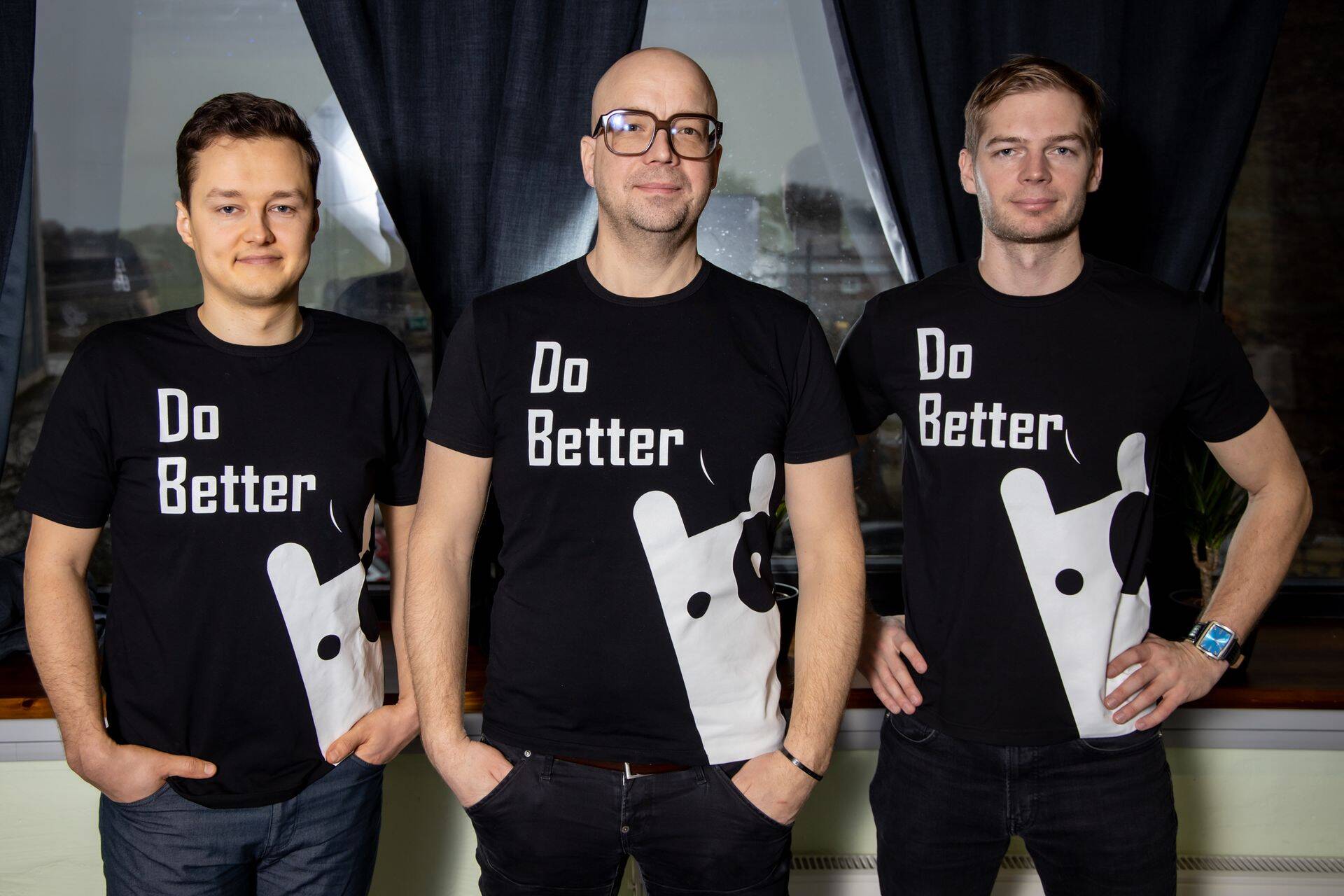
While the previous global economic crisis gave rise to home sharing in the tourism sector through Airbnb, which helps save money while travelling, then the current crisis is significantly changing the way we work. Hardi Kinnas, co-founder and manager of MySpotit, suggests that a hybrid work model is gaining ground, unattaching workers from their traditional offices and putting them in more dynamic environments.
"Globally, we have just undergone the world's largest experiment in teleworking and naturally people don't want to go back to the way things were,” Kinnas said. “We learned a lot about ourselves during those past few months and we are craving for change in our daily worklife.”
The economic downturn has led companies to review their costs. Mass redundancies have left many with disproportionately large offices. Employers are rethinking whether there is a need for a permanent office at all. Just recently the technology giant Twitter announced its new remote work policy.
According to global studies, flexible working arrangements are quickly becoming the new normal. Working remotely has grown 159% since 2005, more than 11 times faster than the rest of the workforce. Adding the effects of the Covid-crises, we are seeing a high boost in development in just a few months, believes Kinnas.
MySpotit has developed a platform where companies who own or manage premises with redundant space set up for offices can put their workstations up for rent to employees of other companies or freelancers looking for flexible workspace outside of their employer's office or home. Similar to Spotify, for a fix monthly fee, people can use different offices in numerous locations. Team leaders can bring their teams together when necessary, choosing the space with the right size and functionality.
We learned a lot about ourselves during those past few months and we are craving for change in our daily worklife.
co-founder and manager of MySpotit
Unique in Europe, MySpotit is starting out from Estonia and Latvia and will then expand to other European countries. "The new platform might work as a life-vest for companies in difficulties who still want to keep their employees motivated. Our business clients can provide their employees a choice between a variety of locations and types of facilities where they can work on their own terms," Kinnas said.
MySpotit was founded in 2018 by Hardi Kinnas, Mikk Puurmann and the event marketing agency Orangetime. At the end of 2019, CTO Timo Mitt joined the founders and the startup received €100,000 from well-known Estonian investors, such as Bolt founder Martin Villig and long-term CEO of Swedbank Estonia, Robert Kitt.
Investors also included Mikko Silventola (Bolt's first investor, Frontier), Taavi Tamkivi (Skype, Transferwise, Salv), Gert Jostov (Technopolis Ülemiste), Martin Otsa (East Capital Baltics), Asso Lankots (Leibur, Lantmännen Unibake), Toomas Talts (Codeborne), Priit Congo (Net Group) and Mart Mere (Est-Agar).
...
FoundME is inviting you on board of a weekly newsletter that will bring you the news and opinion stories from the Estonian startup scene. Subscribe to FoundME newsletter HERE!
Seotud lood
Tuleval aastal 35. sünnipäeva tähistav Roi OÜ on Eesti üks vanimaid ja suuremaid reklaamkingituste pakkujaid. Ettevõtte ostujuhi Indrek Viitongi sõnul kaasneb reklaamkingituste valdkonnaga paratamatult ka keskkonnajalajälg. Seetõttu on Roi eesmärk pakkuda kingitusi, mis leiavad päriselt kasutust, kestavad aastaid, rõõmustavad saajat ning esindavad klientide väärtusi.
Hetkel kuum
Viimased uudised
Küberturvalisus


Liitu uudiskirjaga
Telli uudiskiri ning saad oma postkasti päeva olulisemad uudised.
Tagasi Äritehnoloogia esilehele