
Tähelepanu! Artikkel on enam kui 5 aastat vana ning kuulub väljaande digitaalsesse arhiivi. Väljaanne ei uuenda ega kaasajasta arhiveeritud sisu, mistõttu võib olla vajalik kaasaegsete allikatega tutvumine
European Commission To Put Up Five Figure Prize Fund For The Global Hack
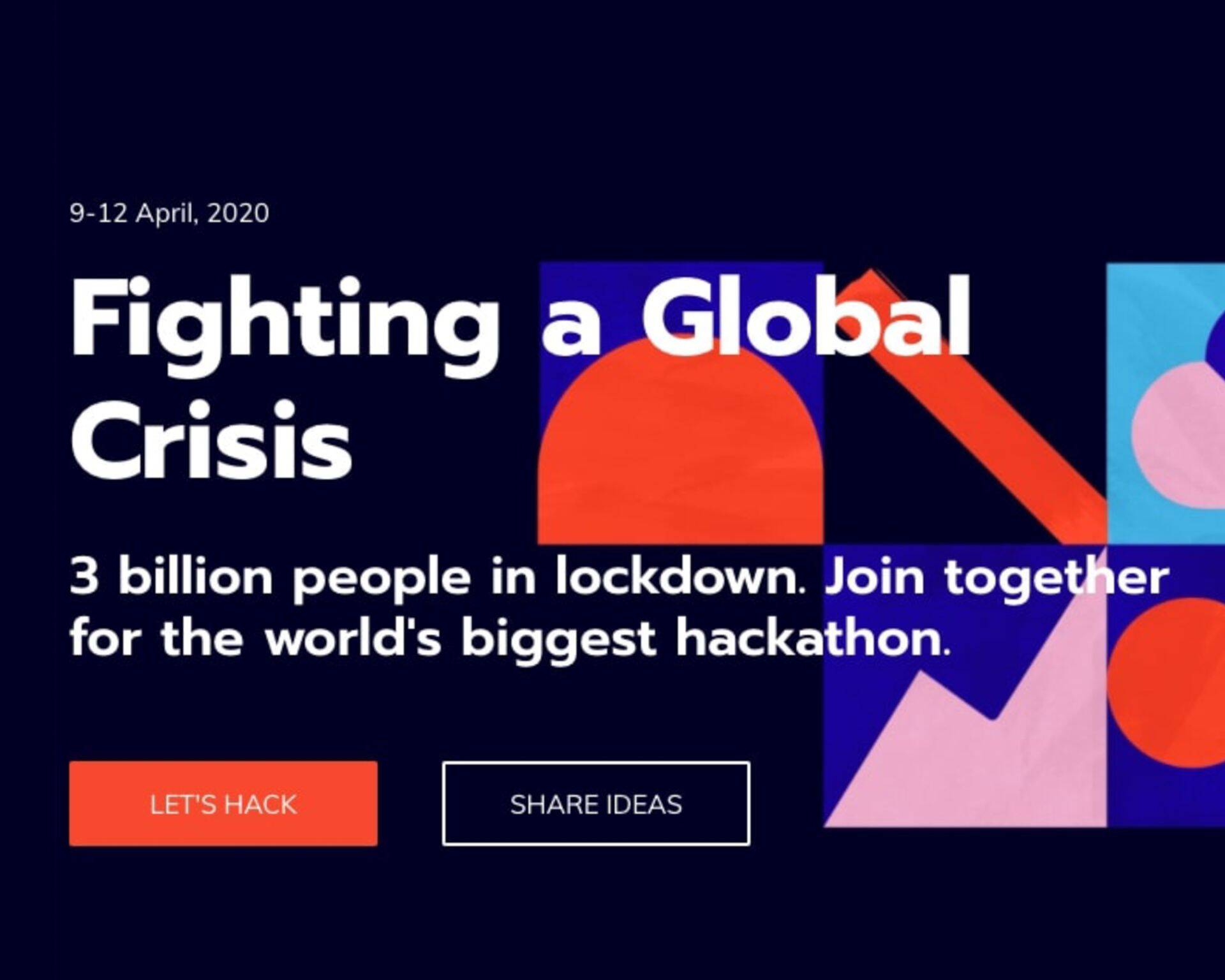
The European Commission has announced it's support to the upcoming Global Hack, an online hackathon organised by the world’s tech community. The hackathon is designed to rapidly develop vital solutions necessary for mitigating the effects of the ongoing COVID-19 pandemic.
News about the online hackathon, first organised by the tech-savvy small country of Estonia, spread all over the world with the top media outlets like CNN, The New Yorker and The Guardian.
The next step is an online hackathon on the global scale, also led by the Estonians. Kai Isand, main organiser of the Global Hack, believes the event is the best example of a startup mindset and how to act quickly when facing a challenge.
“This is our call to hack the crisis - not only to brainstorm solutions to prevent and stop the spreading of a highly-infectious disease but to think about how our lives will be different after this. To discuss how it will change the way we move, build, learn and connect. To see new opportunities. To build the new normal. By now over 47 countries have organised their own local online Hack the Crises hackathons. The next step for the global movement is to come together in a unified hackathon event where teams will create projects that have a strong international socio-economic impact and create the needed rapid change,” said Isand.
The Global Hack aims to partner people from around the world with one another to exchange ideas and practices to develop creative and practical solutions that directly address specific COVID-19 challenges. Through bringing together world-class mentors and talented teams, solutions can be built for a better tomorrow. The Global Hack will showcase emerging solutions that can demonstrate how digital innovations can be leveraged to connect local neighborhoods and help people facing the greatest vulnerabilities.


The European Commission will provide up to € 75.000 of support to the Global Hack project, from which € 60.000 goes to the prize fund for the winning teams. The Commission will also provide coaching and propose government related challenges in the start-ups and small businesses sector as well as eHealth.
One of the inspirational leaders of the Global Hack, Steve Jürvetson, the board member of Tesla and Space X, stressed the importance of generating new ideas through a structured framework: “How do you get to these new powerful ideas? How do you hack the future? Here’s a really important framework I think. And that every new idea is itself a recombination of prior ideas, its like standing on shoulders of giants. Almost never does a powerful new idea come out of nowhere without precedent or antecedent.”
Mentors of the Global Hack include well-known leaders and entrepreneurs like Toomas Hendrik Ilves, Sam Altman, Garry Kasparov, Ami Hasan, Jeff Hoffman, Mitch Sinclair and others.
Experts, scientists, tech enthusiasts, business leaders, project managers, marketing experts, designers, and innovators are all invited to take part in The Global Hack, which will take place completely online on April 9-12.
During the hackathon, participants will develop their best and brightest ideas to address the ongoing socio-economic crisis and to support recovery in the aftermath. The rules for submission of ideas and registering a team can be found in the dedicated Slack community.
...
FoundME is inviting you on board of a weekly newsletter that will bring you the news and opinion stories from the Estonian startup scene. - Subscribe to FoundME newsletter HERE!
Seotud lood
Paar aastat kasutatud äriklassi arvuti on tavaliselt kuni poole odavam kui uus. Miks valida just see ning kellele see kõige paremini sobib? Arvutiaida omanik Indrek Salm on kasutatud äritehnikat müünud piisavalt kaua, et teema selgeks rääkida.
Hetkel kuum
Viimased uudised
Küberturvalisus


Liitu uudiskirjaga
Telli uudiskiri ning saad oma postkasti päeva olulisemad uudised.
Tagasi Äritehnoloogia esilehele