
Tähelepanu! Artikkel on enam kui 5 aastat vana ning kuulub väljaande digitaalsesse arhiivi. Väljaanne ei uuenda ega kaasajasta arhiveeritud sisu, mistõttu võib olla vajalik kaasaegsete allikatega tutvumine
Local venture capital sets records

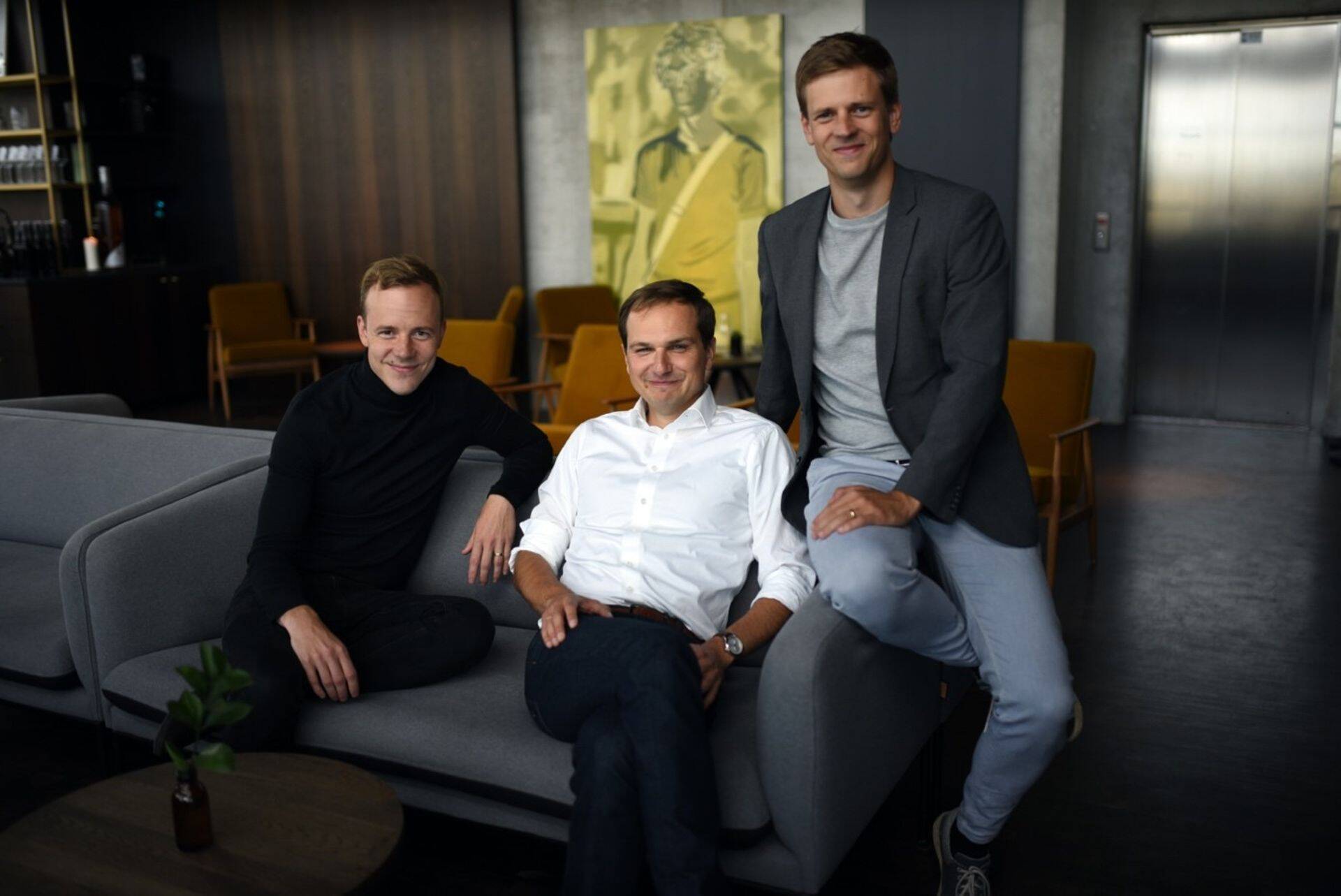
Several Estonian startups have received as much as a million euros from Estonia. Angel investors who previously operated individually are now teaming up in venture capital funds to make larger investments.
One of the newcomers that raised a million euros from Estonian investors was the negotiating AI developer Pactum. The startup was founded by people already familiar to the Estonian startup community: Kaspar Korjus, who led the e-residency programme, Kristjan Korjus, CEO of Starship, and Martin Rand, co-founder of VitalFields. Pactum also has well-known investors including Jaan Tallinn, Taavet Hinrikus, Ott Kaukver and Sten Tamkivi. In total, Estonian startups raised €21.7 million from Estonia this year.
"There were several ways to raise capital, but it was our desire to move forward with four investors whom we had selected," said Kaspar Korjus. He added that while local investors are increasingly interested in Estonian startups, also the opposite is true: Estonian startups are increasingly interested in top Estonian investors who have made themselves a name globally. In addition to the capital itself, other important factors for choosing an investor are the speed of action, experience, network and readiness to help. "For the first investments, we don't have to search for them around the world."
This way, it’s not only the money earned by the startups that is circulating, but also the experience gained in building startups. Taavi Tamkivi, who has worked in both Skype and TransferWise, has for the last year dedicated himself to his startup Salv. According to Tamkivi, some funding on the market comes from people who have helped make startups success stories, monetized their options and who are now investing their proceeds in their or someone else's company, but their impact on the market is not significant. As an early TransferWise employee himself, this is also how Tamkivi earned the start up capital.
"Investing a small amount of money is of secondary importance. Above all, it is the knowledge and experience on which they can build something better. That's what really helps,” said Tamkivi. "There is still enough money, both stupid and smart, in Estonia and in the rest of the world, but people who have actually built products and technologies globally are far more scarce than the money that is being invested."
Tamkivi recalls that when he left TransferWise a few years ago, he had free time and it was easy for him to help friends and acquaintances who were cracking their brains in their companies to figure out how to solve problems. "I had gone through this journey twice myself. I was able to tell them about the challenges of team and customer base growth and expanding into new regions. Based on my sector knowledge, I was able to help them,” he said.
Estonian startups raised €21.7 million from Estonia in 2019.
In total, more than €274 million has been invested in Estonian startups in 2019, of which 7.9% Estonian capital.
Tamkivi says that when he studies newcomers he looks not only at the names of the founders, who are often unknown, but also finds out who is helping the startup. "When I see that my former colleague with whom I shared a desk for 7 years is helping another company, I instantly get interested in also helping out. This is a very exciting network we have here and it’s not embarrassing or difficult to ask someone for help, since everyone is very open to interesting ideas and giving feedback.”
According to Tamkivi, it doesn’t mean that investors are the smartest ones there, but thanks to previous work contacts, it is very easy to connect someone with old colleagues from the other side of the world. He says that there are plenty of mentors, but it tends to be the same people all over again. "There is definitely room for sharing experience. Not all mentors need to be the types of Taavet Hinrikus or Martin Villig. There are strong professionals working in highly technical fields who have never been discovered by the media. For example, payment fraud detection that I worked on in TransferWise and also in Skype, which is not going to grow the company’s business, but is essential to avoid problems. There is a great deal of this type of industry-specific advice in the minds of people that could be shared more than it is done today.”
Estonian star investors mark beginners with a sign of trust
One of the newcomers, Markus Lember the founder of Montonio, says that a new startup that is looking for capital depends a lot on the specific sector in which it operates. "In some sectors there seem to be too many startups and then you have specific sectors in which investors are very active in.” He adds that since Montonio is a fintech, finding investors was not that hard. “I may even say that investors rather found us than the other way around, so we did not have to work very hard to attract funding.”

Montonio got a flying start partly because Lember and his idea were selected to Alpine House, a program run by Rain Rannu's Superangel Foundation, which took young startup entrepreneurs to Silicon Valley. "The main partner who deals with us is Veljo Otsason and he is like an additional member to our team. We are in the same office with them and discuss our achievements and problems daily. This is extremely useful,” said Lember, who is sharing office with Superangel in Tallinn.
Hetkel kuum
Lember noted that since they were selected by the Superangel program, investors believe in them. "This is a very strong validating factor."
Montonio also received funding from Estonia, which helps to raise capital from abroad later on. “We are already looking for further investments. It seems that investors expect you to raise the first money locally and then seek growth funding from abroad. It is very important that you prove that the first local investment brings growth in business volumes and revenues. It will send a strong signal to European investors for next rounds," says Lember.
He adds that it is therefore very useful that Estonia has developed a strong venture capital support structure and that, through strong local funds, you can prove to the outside world that you are worth the additional investment.
Angel investors have discovered funds of funds
Tech entrepreneur and investor Rain Rannu noted that the increase in early-stage investments shows the emergence of exciting new companies as well as active local funds like Superangel, which he runs. Superangel has been actively investing in newcomers the past year.
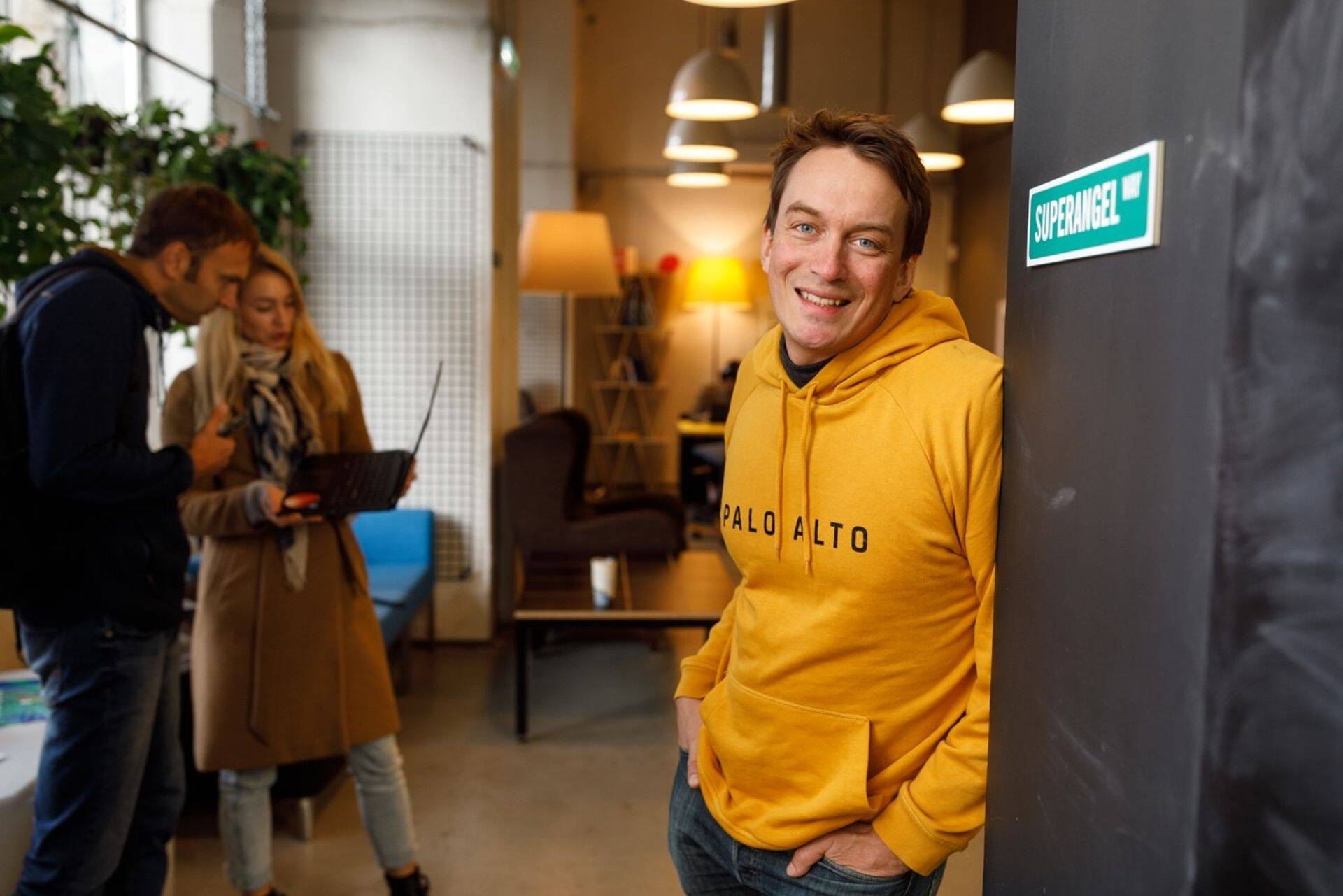
"It a positive cycle of the startup community: those who have worked or started a successful startup company, complete the circle and start investing in their own company," Rannu said. In the same way, completely new investors are arriving on the market. "So there are companies to invest in and, secondly, there is enough local capital looking for investment destinations. First we had successful startups, now we also have successful investment funds and investors who are successful also in the world.”
According to Rannu, what brought him and other investors in the startup sector to setting up funds were the economies of scale. "As a single angel investor, you can still make smaller deals. As a fund, the leverage is bigger and we can help these companies for longer.”
Tech entrepreneur and investor Allan Martinson added that next to startups a local venture capital industry has been well set up in the last two years through the funds of funds that the Estonian government has been backing through Kredex and the European Investment Fund. "It's quite natural: when the number of local investors grows then the money has to end up somewhere. The funds of funds usually have criteria and limits on how much to invest in Estonia and how much they can invest elsewhere. In that way money finds its way to Estonian startups.”
According to Martinson, it's a perfectly normal trend among successful entrepreneurs to reinvest the money they have made. He noted that in all the major companies that have raised tens and hundreds of millions of euros, the founders and employees get the opportunity to monetize their options. This year, a good example of this was TransferWise.
The wave of venture capital funds is based not only on active groups of angel investors, but also on public policy: the state provides some money to the funds and the rest comes from private investors. “This builds up a venture capital industry, which is a very welcomed policy. As a result, local capital and startups emerge, and later the system starts to function by itself.” Martinson says the system has been running very well.
Martinson noted that Israel was once a textbook example of a country that built up its tech industry with state-sponsored investment funds, and when it happened, the state gradually withdrew from it. Similarly, Finland celebrated its 50th anniversary by setting up the Sitra Foundation. “There are examples of states who have launched the venture capital industry which has facilitated investments in the tech sector and startups. Estonia did the same and it has been successful.”
Martinson says that there is an interesting trend happening. While three or four years ago angel investments were made individually then now many angel investors have established their own funds with the help of Estonian funds of funds. “They have turned from hobby investors to professional investors who have funds and long-term commitments and an obligation to do this work in a longer term. Which is good, because people who used to do this as a semi-hobby have become professional risk capital investors. ”
Of the six million euros raised this year by Xolo, a company managed by Martinson and providing services to e-residents and freelance employees, more than two million euros came from the Estonian venture capital fund Karma Ventures, which is backed by EU funds, funds from the Baltic governments and money of the founders of Skype.
In total, more than €274 million has been invested in Estonian startups this year, of which 7.9% is Estonian capital.
foundME is inviting you on board of a weekly newsletter that will bring you the news and opinion stories from the Estonian startup scene. - Subscribe to foundME newsletter HERE!
Seotud lood
Tuleval aastal 35. sünnipäeva tähistav Roi OÜ on Eesti üks vanimaid ja suuremaid reklaamkingituste pakkujaid. Ettevõtte ostujuhi Indrek Viitongi sõnul kaasneb reklaamkingituste valdkonnaga paratamatult ka keskkonnajalajälg. Seetõttu on Roi eesmärk pakkuda kingitusi, mis leiavad päriselt kasutust, kestavad aastaid, rõõmustavad saajat ning esindavad klientide väärtusi.
Viimased uudised
Küberturvalisus


Liitu uudiskirjaga
Telli uudiskiri ning saad oma postkasti päeva olulisemad uudised.
Tagasi Äritehnoloogia esilehele